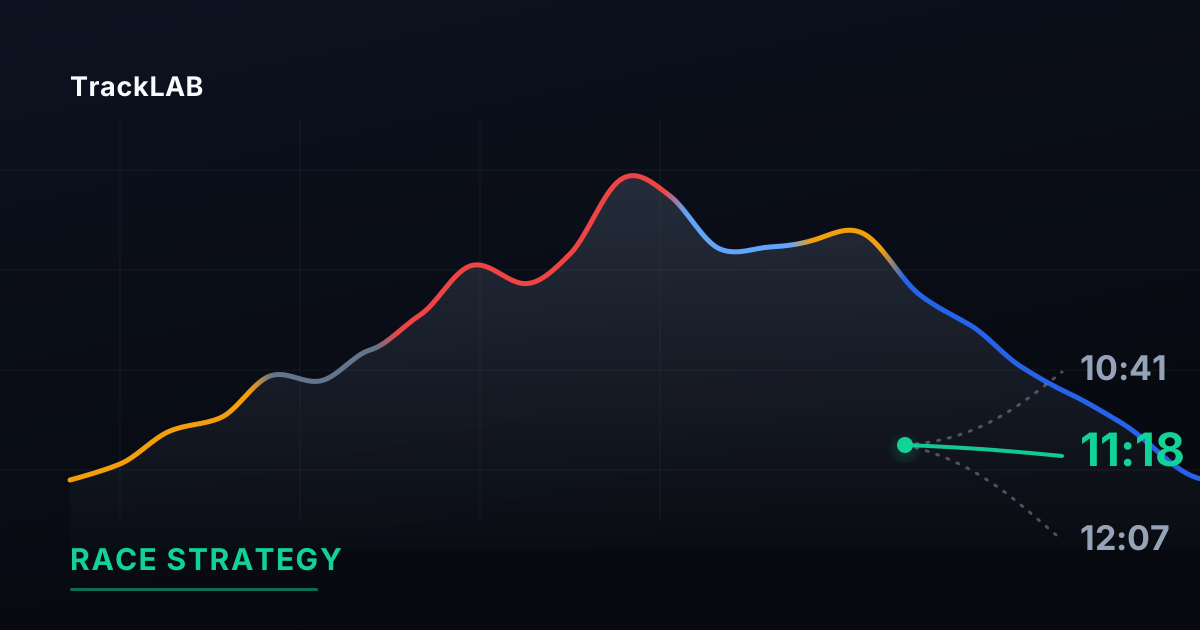
Guide
Race Strategy: your course, turned into decisions
What Race Strategy is, what it does under the hood and what you walk away with on race day: paces, point-by-point weather, fuelling, kit, cut-offs and a dossier.
8 min read
Guides, route breakdowns and comparisons to get more out of your GPX files.
What Race Strategy is, what it does under the hood and what you walk away with on race day: paces, point-by-point weather, fuelling, kit, cut-offs and a dossier.
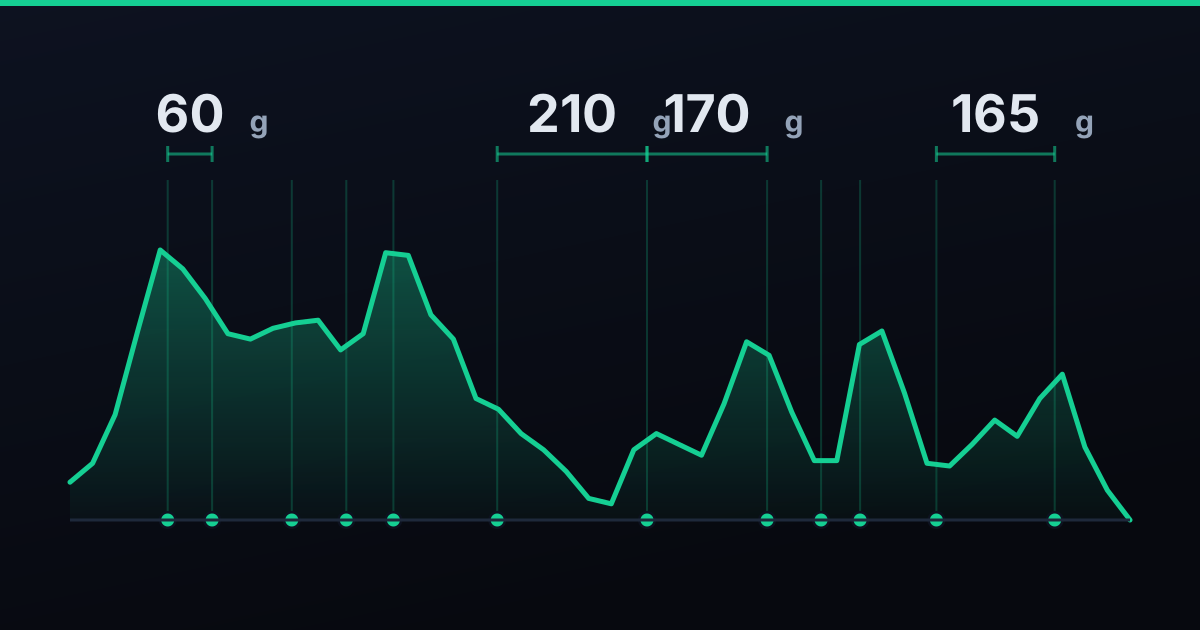
Grams per hour are a physiological target, not a plan. What you actually decide mid-race is what fits in the vest until the next point.
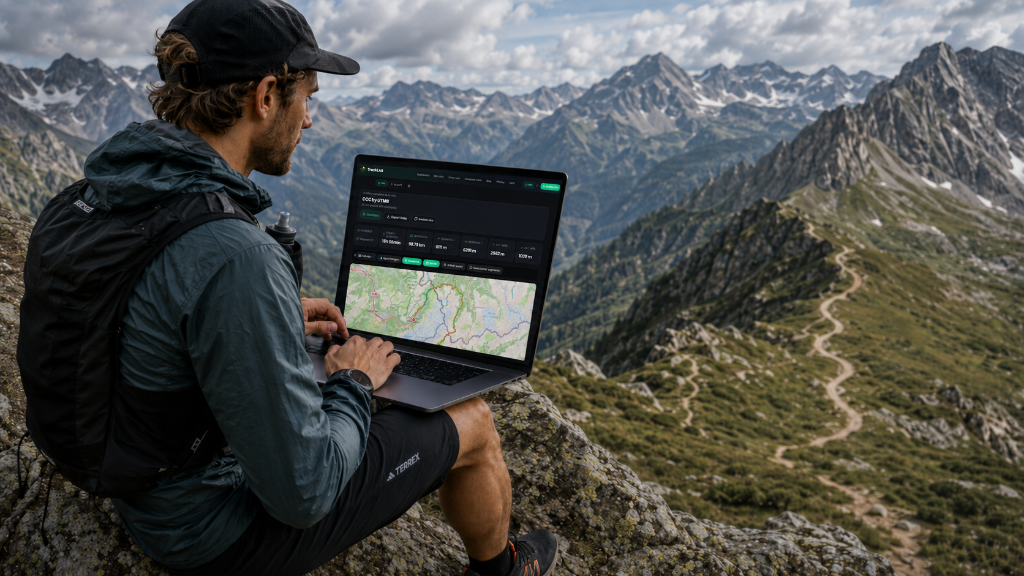
An updated, step-by-step guide to analysing your next race's GPX before you line up, using the tools TrackLAB gives you today.

TrackLAB's two core tools: RouteLAB breaks down the route, BioCenter works out what that route will do to your body.
Three layers over the same chart: gradients, categorised climbs and altitude bands. What each one shows and when to use it.
Turn TrackLAB into a real app on your iPhone or Android in under 30 seconds. No app store, no download, almost no storage used.

Import Suunto routes into TrackLAB from a URL, with no files to download. How it works, which links are supported and how to fix the common errors.

Step-by-step guide to exporting GPX files from Garmin Connect, Suunto, Polar, Coros and Wahoo, ready to analyse in TrackLAB.
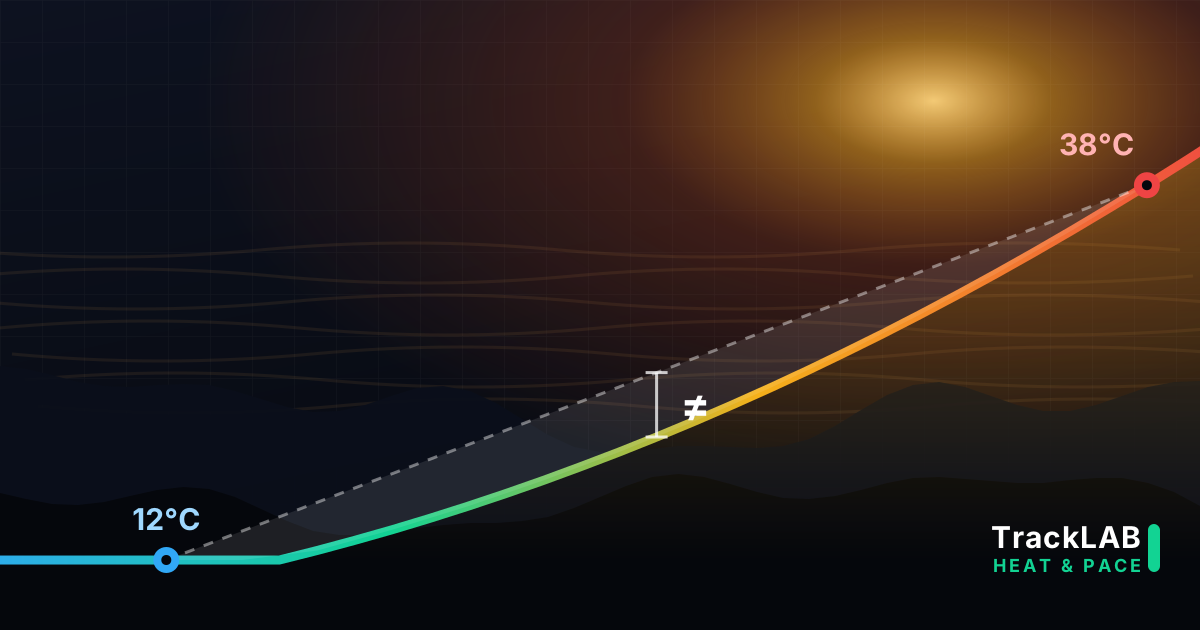
We reviewed the evidence on heat and endurance performance and found a blunt error that almost every pace calculator makes. With the numbers.
We compare Strava and TrackLAB on GPX route analysis: metrics, planning, pro tools and price. Which one is right for you?
Learn to read a GPX file: real distance, elevation gain (D+), elevation profile, pace and advanced metrics. A step-by-step guide with TrackLAB.
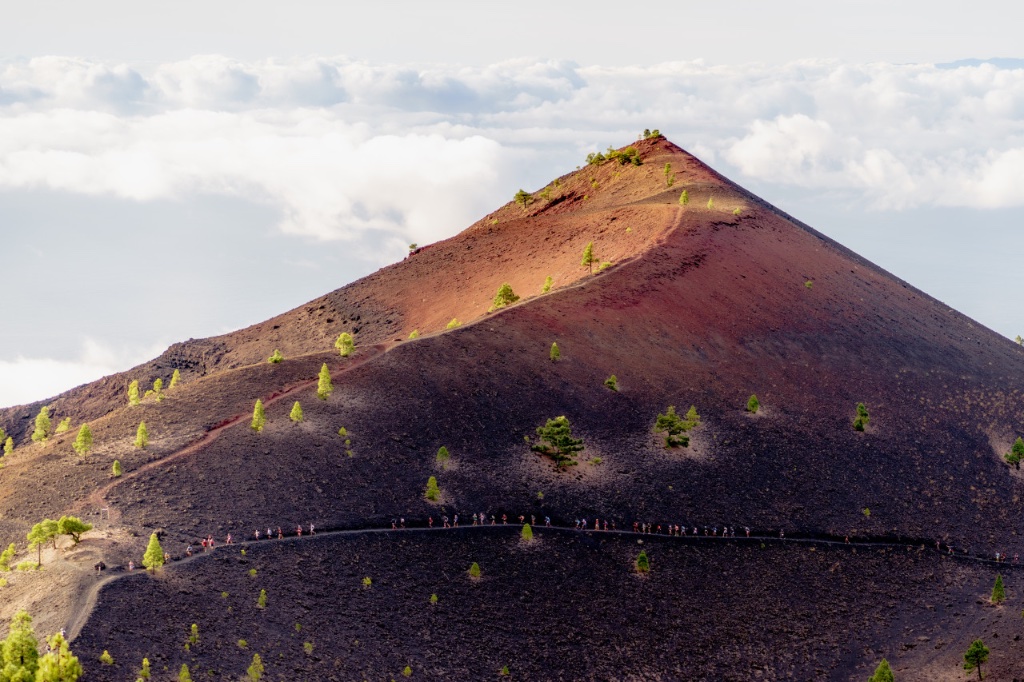
Full GPX analysis of the Transvulcania: 74 km from sea level to 2,426 m. Real profile, segment strategy, kit and estimated times by level.

Full analysis of the UTMB Ultra-Trail du Mont-Blanc: 171 km, 10,040 m D+ around Mont Blanc. Real profile, key climbs, strategy and finish times.
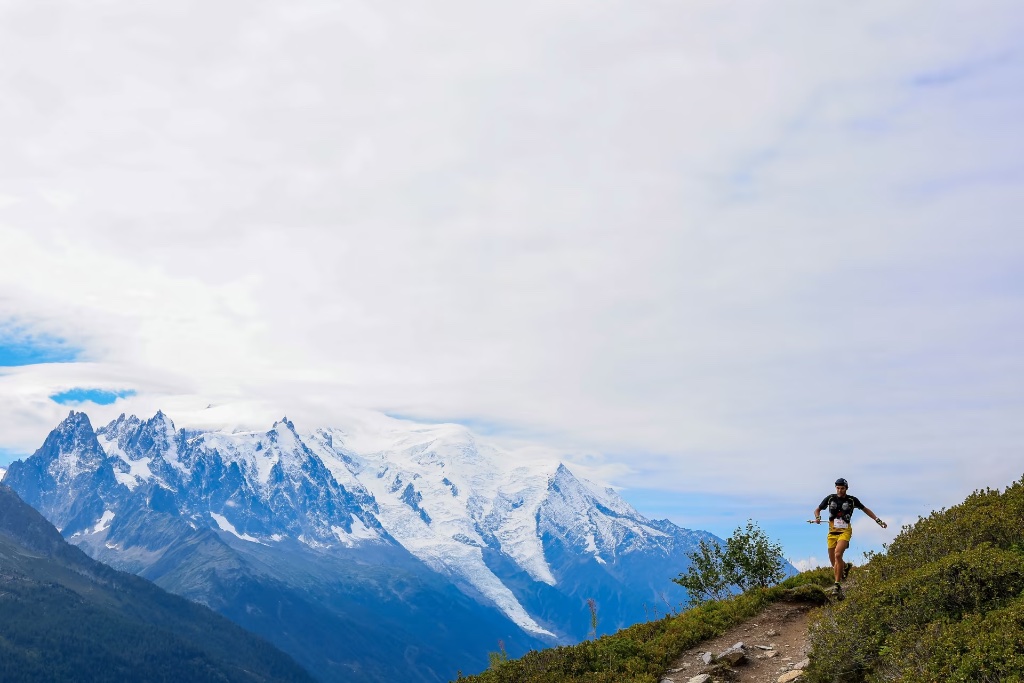
Technical analysis of the TDS by UTMB: 153 km through remote Italian and French mountains. Segment strategy, real difficulty and how it differs from UTMB.
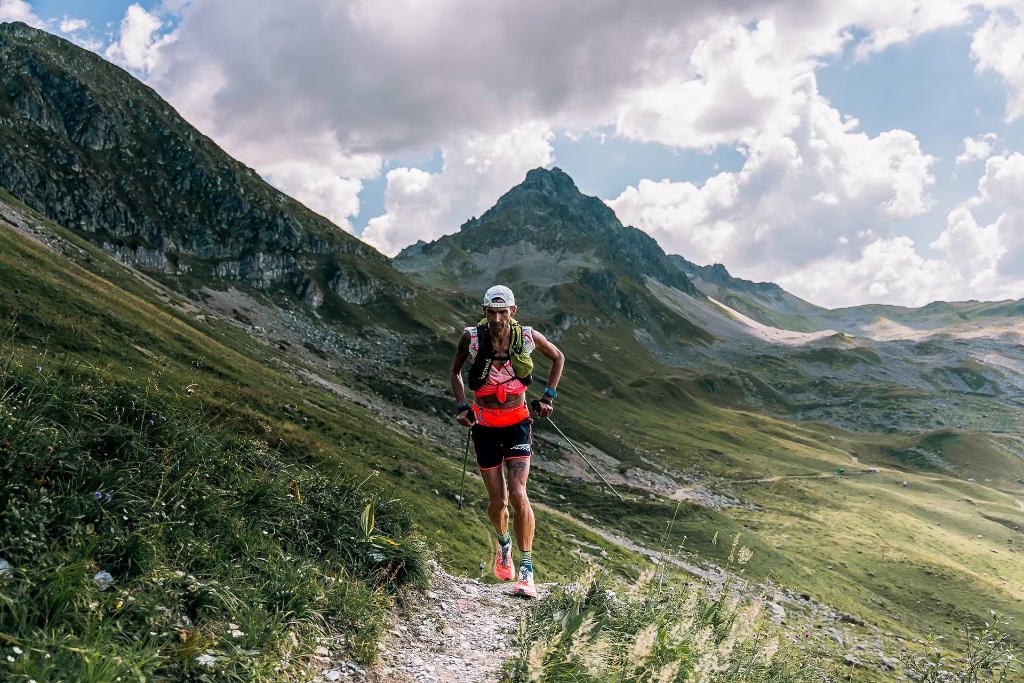
Technical analysis of the OCC by UTMB: 55 km across the Alps from Switzerland into France. Real profile, key climbs, kit and race strategy.
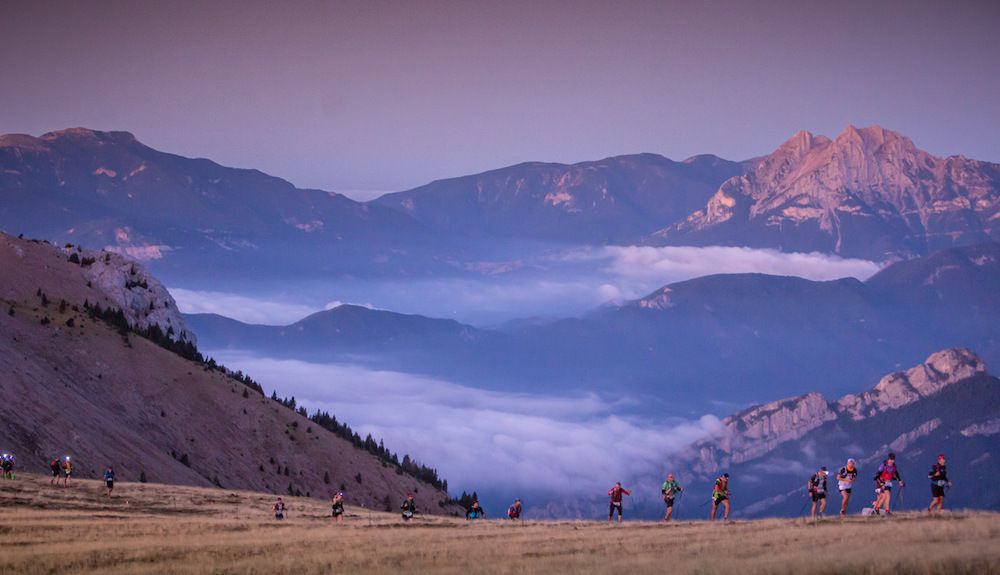
Spain's four hardest trail races analysed with real GPX data. TrackLAB difficulty index, elevation gain and what each one has in store.

A full breakdown of the Gran Trail Sobrarbe: 68 km through the Aragonese Pyrenees with 3,330 m D+. Real profile, kit, target times and DNF mistakes.

How to work out your finish time in trail running: Naismith's rule calibrated with UTMB 2025 data, speeds by level, and how to avoid going out too fast.

A GPX breakdown of Transgrancanaria before you run it: 125 km, 8,500 m D+, the crux sections, kit and a full fuelling strategy.
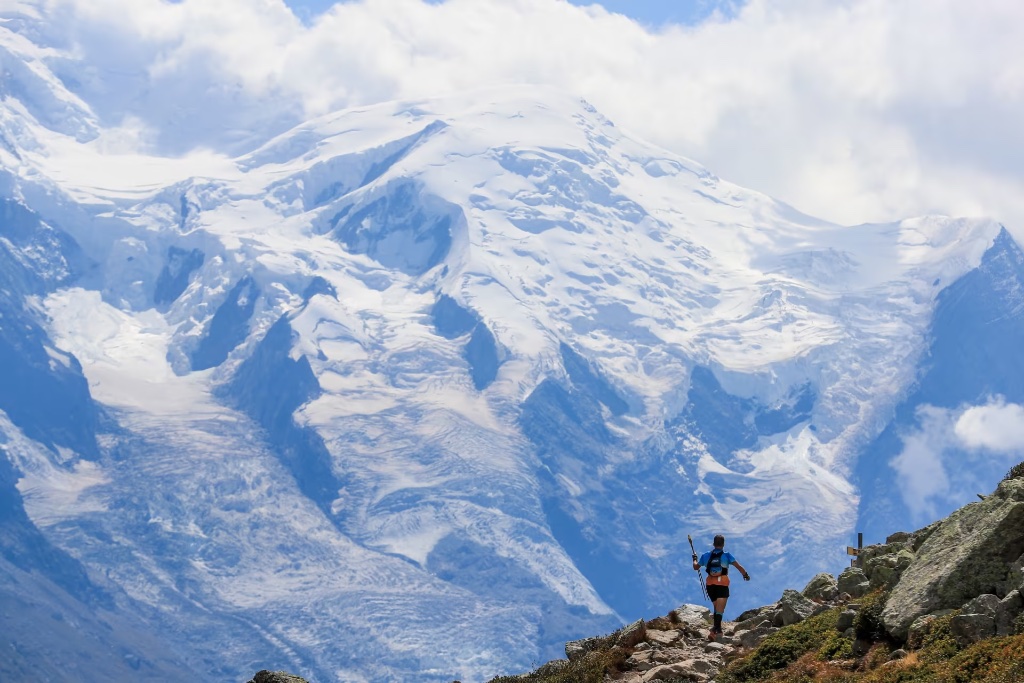
A full breakdown of the CCC by UTMB: 101 km and 6,100 m D+ across Italy, Switzerland and France. Key climbs, sector strategy and target times.

What D+ and D− really mean in trail running, a quick difficulty guide by elevation gain, and why the descents hurt far more than you'd expect.
We use cookies to run the app and to improve it. More info.